

- English
 Esperanto
 Afrikaans
 Català
 שפה עברית
 Cymraeg
 Galego
 Latviešu
 icelandic
 ייִדיש
 беларускі
 Hrvatski
 Kreyòl ayisyen
 Shqiptar
 Malti
Malti lugha ya Kiswahili
 አማርኛ
አማርኛ Bosanski
 Frysk
Frysk ភាសាខ្មែរ
 ქართული
 ગુજરાતી
 Hausa
Hausa Кыргыз тили
 ಕನ್ನಡ
ಕನ್ನಡ Corsa
Corsa Kurdî
Kurdî മലയാളം
 Maori
Maori Монгол хэл
 Hmong
Hmong IsiXhosa
 Zulu
Zulu Punjabi
 پښتو
پښتو Chichewa
 Samoa
Samoa Sesotho
 සිංහල
සිංහල Gàidhlig
 Cebuano
 Somali
 Тоҷикӣ
 O'zbek
 Hawaiian
 سنڌي
سنڌي Shinra
 Հայերեն
 Igbo
Igbo Sundanese
 Lëtzebuergesch
 Malagasy
 Yoruba
 অসমীয়া
 ଓଡିଆ
ଓଡିଆ Español
 Português
 русский
 Français
 日本語
日本語 Deutsch
 tiếng Việt
 Italiano
 Nederlands
 ภาษาไทย
 Polski
 한국어
한국어 Svenska
 magyar
 Malay
Malay বাংলা ভাষার
 Dansk
Dansk Suomi
Suomi हिन्दी
 Pilipino
 Türkçe
 Gaeilge
 العربية
 Indonesia
 Norsk
Norsk تمل
تمل český
český ελληνικά
 український
 Javanese
 فارسی
فارسی தமிழ்
தமிழ் తెలుగు
 नेपाली
 Burmese
 български
 ລາວ
ລາວ Latine
 Қазақша
 Euskal
 Azərbaycan
 Slovenský jazyk
 Македонски
 Lietuvos
 Eesti Keel
 Română
 Slovenski
 मराठी
मराठी Srpski језик

What Are the Key Maintenance Tips for Long-Lasting Auxiliary Machinery?
Auxiliary Machinery plays a critical role in ensuring smooth operations in industrial production. At Quangong Machinery Co., Ltd., our commitment to high-quality design and durable manufacturing allows our clients to maintain consistent performance with minimal downtime. In this article, we share our professional insights on how to keep Auxiliary Machinery operating efficiently for years.
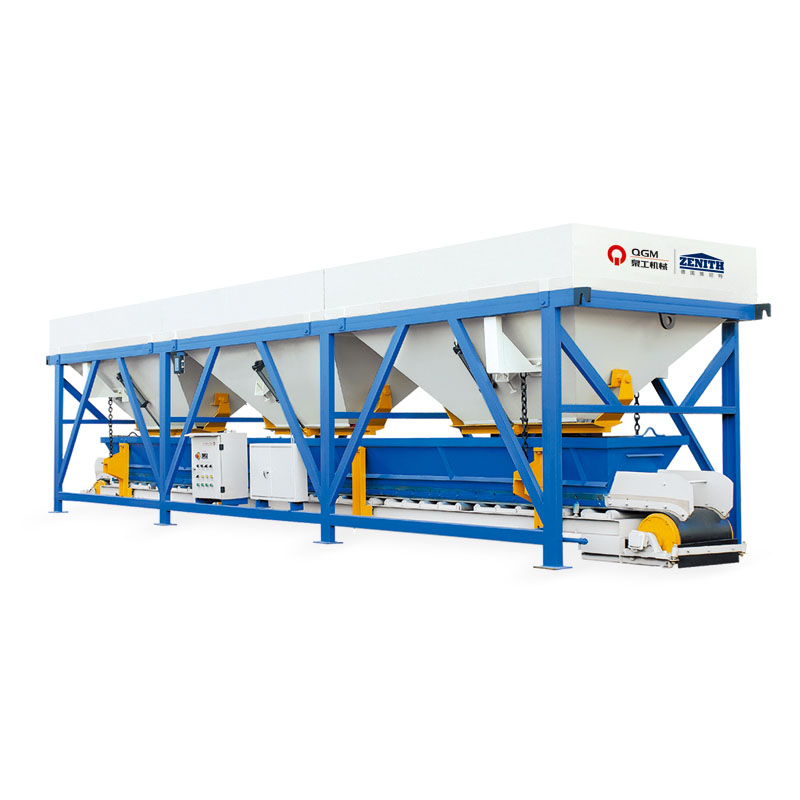
Table of Contents
- How Do We Understand the Importance of Maintenance for Auxiliary Machinery?
- What Are the Best Routine Inspection Practices for Auxiliary Machinery?
- Why Is Proper Lubrication and Cleaning Critical for Long-Term Performance?
- How Can Component Upgrades Extend the Lifespan of Auxiliary Machinery?
- What Role Does Operator Training Play in Maintaining Auxiliary Machinery?
- Conclusion
- FAQ
How Do We Understand the Importance of Maintenance for Auxiliary Machinery?
Proper maintenance of Auxiliary Machinery is essential for ensuring consistent performance and avoiding unexpected downtime. At Quangong Machinery Co., Ltd., our approach focuses on both preventive and predictive maintenance strategies to maximize the longevity of our equipment. Understanding the machinery’s operational requirements and environmental conditions allows our factory to provide tailored guidance for each client.
Key factors we emphasize include:
- Operational load: Assessing how frequently the machinery operates and under what conditions helps determine maintenance intervals.
- Environmental conditions: Dust, humidity, and temperature fluctuations can affect performance and lifespan.
- Usage patterns: Machines used continuously require more rigorous preventive maintenance than those used intermittently.
- Material quality: High-quality components reduce wear and tear and simplify maintenance routines.
Our factory regularly updates maintenance manuals and provides detailed checklists to clients, ensuring that every aspect of Auxiliary Machinery is carefully monitored and serviced.
| Parameter | Description |
| Model | Auxiliary Machinery Standard Series |
| Power Rating | 3-15 kW, depending on model |
| Material | High-grade steel and precision components |
| Operational Load | Continuous or intermittent, customized per factory requirements |
| Maintenance Interval | Monthly inspection recommended, with quarterly major servicing |
Through our practical experience, we have seen that consistent adherence to maintenance schedules significantly reduces repair costs and extends the life of Auxiliary Machinery.
What Are the Best Routine Inspection Practices for Auxiliary Machinery?
Routine inspection is a cornerstone of effective machinery management. At Zenith, our team emphasizes detailed inspection procedures to detect potential issues before they escalate. By implementing structured inspection routines, our clients can achieve long-term stability and operational efficiency.
Our recommended practices include:
- Visual Inspection: Check for signs of wear, corrosion, or leaks in key components.
- Mechanical Check: Ensure moving parts are free of obstruction, and bearings rotate smoothly.
- Electrical Testing: Verify voltage, current, and wiring integrity to prevent electrical failures.
- Operational Monitoring: Observe vibration, noise levels, and temperature during operation.
- Documentation: Record all findings in a maintenance log to track recurring issues and improvements.
Our factory provides detailed checklists for each Auxiliary Machinery model. For example:
| Inspection Item | Recommended Frequency | Notes |
| Bearings | Monthly | Lubricate and check for abnormal wear |
| Belts & Chains | Monthly | Adjust tension and inspect for fraying |
| Electrical Components | Quarterly | Inspect wiring, switches, and circuit boards |
| Structural Frame | Quarterly | Check for rust, cracks, or deformation |
Through these methods, our clients benefit from reduced downtime and optimized performance, reinforcing the value of proper routine inspections.
Why Is Proper Lubrication and Cleaning Critical for Long-Term Performance?
Auxiliary Machinery relies heavily on well-maintained lubrication systems and clean working environments. At Quangong Machinery Co., Ltd., our engineers stress that neglecting these areas is one of the main causes of premature equipment failure.
Our factory recommends the following practices:
- Lubrication Type: Use the correct grease or oil as specified in the manual. Incorrect lubrication accelerates wear and reduces efficiency.
- Lubrication Schedule: Apply lubricant at intervals recommended by our factory for each machine type.
- Cleaning Procedures: Remove dust, debris, and other contaminants that may affect moving parts or heat dissipation.
- Inspection During Cleaning: Identify minor issues, such as small leaks or loose bolts, while cleaning.
- Environmental Management: Ensure the workspace is free of corrosive chemicals or excessive moisture.
Our team at Quangong Machinery Co., Ltd. has developed specialized cleaning kits and lubrication guides for our Auxiliary Machinery. These tools ensure our clients can maintain machinery efficiently without compromising performance.
How Can Component Upgrades Extend the Lifespan of Auxiliary Machinery?
Upgrading key components is a proactive approach to enhancing Auxiliary Machinery longevity. At Quangong Machinery Co., Ltd., we design modular machines that allow easy replacement of critical parts to maintain optimal performance.
Important considerations include:
- High-Performance Bearings: Replace standard bearings with high-durability alternatives to reduce wear.
- Enhanced Electrical Systems: Upgrade wiring and control panels to handle higher loads safely.
- Corrosion-Resistant Materials: Use stainless steel or coated components in high-humidity environments.
- Precision Parts: Replace worn gears, belts, or chains with factory-approved precision components.
Our factory maintains an inventory of replacement parts for all Auxiliary Machinery models, ensuring our clients can perform timely upgrades without operational interruptions. Regular updates and component monitoring can significantly extend machine lifespan and maintain consistent output.
What Role Does Operator Training Play in Maintaining Auxiliary Machinery?
Proper operator training is often overlooked but is critical for machinery longevity. At Quangong Machinery Co., Ltd., our training programs focus on both operational and maintenance skills, ensuring that our clients’ staff can handle machinery efficiently.
- Understanding Machine Limits: Operators learn the optimal load and operational conditions for each machine.
- Routine Checks: Training covers pre-start inspections and routine operational checks.
- Safe Lubrication Practices: Operators are trained on correct lubricant types, quantities, and application methods.
- Problem Identification: Staff can identify minor issues before they become major problems.
By investing in training, our clients at Quangong Machinery Co., Ltd. maximize the value of their Auxiliary Machinery while minimizing unexpected downtime and repair costs.
Conclusion
Maintaining Auxiliary Machinery for long-term performance requires a combination of structured inspections, proper lubrication, component upgrades, and well-trained operators. At Quangong Machinery Co., Ltd., our factory emphasizes quality engineering and practical maintenance guidance to help our clients achieve maximum efficiency and durability. By following these professional recommendations, our clients consistently experience reduced downtime, optimized performance, and extended machinery lifespan.
If you want to enhance the performance and longevity of your Auxiliary Machinery, contact Quangong Machinery Co., Ltd. today. Our team is ready to provide expert advice, high-quality products, and customized maintenance solutions for your operational needs.
FAQ
Q1: What Are the Recommended Maintenance Intervals for Auxiliary Machinery?
Our factory recommends monthly inspections for general checks, quarterly in-depth servicing, and annual overhauls to ensure all components are functioning optimally.
Q2: How Important Is Lubrication for Auxiliary Machinery?
Lubrication reduces friction and wear on moving parts, preventing overheating and extending the machine’s lifespan. Using the correct type and frequency is critical.
Q3: Can Upgrading Components Really Improve Machinery Longevity?
Yes, replacing worn or standard parts with high-durability alternatives enhances performance, reduces failure rates, and prolongs operational life significantly.
Q4: Why Should Operators Be Trained on Maintenance?
Trained operators can perform routine checks, identify issues early, and apply correct maintenance practices, which collectively prevent damage and reduce downtime.
Q5: How Do Environmental Factors Affect Auxiliary Machinery?
Dust, moisture, and temperature fluctuations accelerate wear and corrosion. Our factory advises controlling the operating environment and using protective measures to safeguard machinery.
Send Inquiry



X
We use cookies to offer you a better browsing experience, analyze site traffic and personalize content. By using this site, you agree to our use of cookies.
Privacy Policy