

- English
 Esperanto
 Afrikaans
 Català
 שפה עברית
 Cymraeg
 Galego
 Latviešu
 icelandic
 ייִדיש
 беларускі
 Hrvatski
 Kreyòl ayisyen
 Shqiptar
 Malti
Malti lugha ya Kiswahili
 አማርኛ
አማርኛ Bosanski
 Frysk
Frysk ភាសាខ្មែរ
 ქართული
 ગુજરાતી
 Hausa
Hausa Кыргыз тили
 ಕನ್ನಡ
ಕನ್ನಡ Corsa
Corsa Kurdî
Kurdî മലയാളം
 Maori
Maori Монгол хэл
 Hmong
Hmong IsiXhosa
 Zulu
Zulu Punjabi
 پښتو
پښتو Chichewa
 Samoa
Samoa Sesotho
 සිංහල
සිංහල Gàidhlig
 Cebuano
 Somali
 Тоҷикӣ
 O'zbek
 Hawaiian
 سنڌي
سنڌي Shinra
 Հայերեն
 Igbo
Igbo Sundanese
 Lëtzebuergesch
 Malagasy
 Yoruba
 অসমীয়া
 ଓଡିଆ
ଓଡିଆ Español
 Português
 русский
 Français
 日本語
日本語 Deutsch
 tiếng Việt
 Italiano
 Nederlands
 ภาษาไทย
 Polski
 한국어
한국어 Svenska
 magyar
 Malay
Malay বাংলা ভাষার
 Dansk
Dansk Suomi
Suomi हिन्दी
 Pilipino
 Türkçe
 Gaeilge
 العربية
 Indonesia
 Norsk
Norsk تمل
تمل český
český ελληνικά
 український
 Javanese
 فارسی
فارسی தமிழ்
தமிழ் తెలుగు
 नेपाली
 Burmese
 български
 ລາວ
ລາວ Latine
 Қазақша
 Euskal
 Azərbaycan
 Slovenský jazyk
 Македонски
 Lietuvos
 Eesti Keel
 Română
 Slovenski
 मराठी
मराठी Srpski језик

How to Maintain a Portable Concrete Mixer for Long-Term Performance?
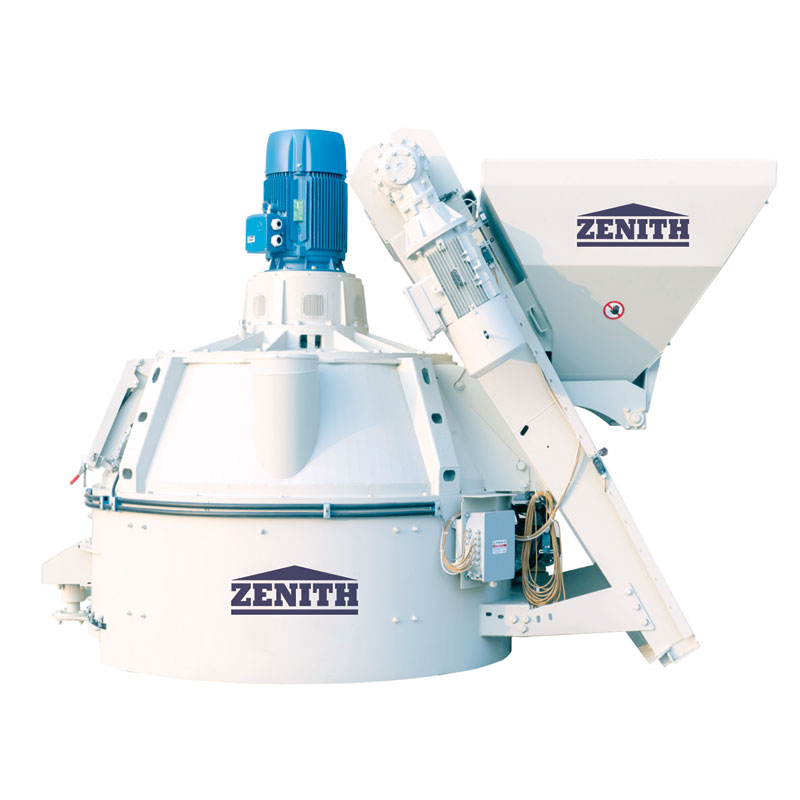
Portable Concrete Mixers are essential tools for construction projects of all sizes. At Quangong Machinery Co., Ltd., our Concrete Mixer solutions are designed for durability, efficiency, and consistent performance. Proper maintenance is critical to ensuring our machines deliver optimal results for years to come. In this guide, we will explore comprehensive strategies and practical steps for maintaining your Concrete Mixer.
Table of Contents
- Why is Maintenance Crucial for Portable Concrete Mixers?
- How to Clean Your Portable Concrete Mixer Properly?
- What Are the Essential Maintenance Checks for Concrete Mixers?
- How to Lubricate and Protect Key Components?
- What Common Issues Can Be Prevented with Proper Maintenance?
- Conclusion
- FAQ
Why is Maintenance Crucial for Portable Concrete Mixers?
Maintaining our Concrete Mixer is not merely about routine cleaning or checking parts. At Quangong Machinery Co., Ltd., we emphasize a comprehensive maintenance strategy that ensures every unit operates at its optimal performance for the long term. Proper maintenance directly impacts durability, efficiency, and safety, which are critical factors for construction projects that rely heavily on consistent concrete quality.
Our Concrete Mixer is designed with high-quality steel, reinforced paddles, and corrosion-resistant coatings. While these materials inherently provide durability, they cannot prevent the gradual wear and tear caused by regular operation, abrasive materials, and environmental conditions. By implementing a proactive maintenance schedule, our customers can extend the lifespan of our Concrete Mixer and maintain consistent mixing efficiency.
Key reasons why maintenance is crucial include:
- Longevity: Regular inspections and care prevent small issues such as rust, loose bolts, or worn paddles from escalating into serious structural problems. Our factory design focuses on ease of access for maintenance, enabling our team and customers to perform preventive care effectively.
- Consistent Mixing Performance: Over time, residues of hardened concrete can accumulate in the drum, leading to uneven mixing and affecting concrete quality. By cleaning and checking the drum and paddles frequently, our Concrete Mixer delivers reliable performance, ensuring that each batch meets required standards.
- Operational Efficiency: A well-maintained mixer consumes less energy and reduces motor strain. Our factory’s high-precision gearboxes and motor assemblies benefit significantly from proper lubrication and alignment, which prevent unnecessary wear and mechanical failures.
- Safety Assurance: Mechanical failure or instability during operation can pose significant hazards on construction sites. Regularly inspecting frame stability, wheel function, and electrical components ensures that our Concrete Mixer operates safely and reliably.
- Cost Savings: Proactive maintenance reduces the frequency of major repairs. Minor issues, if left unattended, may require expensive component replacement. Our team at Quangong Machinery Co., Ltd. ensures that our Concrete Mixer parts are accessible and replaceable, making preventive care both practical and cost-effective.
- Environmental Protection: A properly maintained mixer reduces energy waste and prevents material spillage. Our factory promotes eco-conscious usage, which aligns with sustainable construction practices and enhances the reputation of our customers’ projects.
In addition, maintenance strengthens the overall reliability of our Concrete Mixer. For projects with tight deadlines, a malfunctioning mixer can lead to delays and compromised construction quality. Following our recommended maintenance procedures ensures that our Concrete Mixer is always ready for use, supporting continuous workflow and project success. At Quangong Machinery Co., Ltd., our commitment is to provide equipment that delivers exceptional performance over time, and proper maintenance is an essential part of this commitment.
Ultimately, regular and methodical maintenance allows our customers to maximize the return on investment for their Concrete Mixer, preserve structural integrity, and ensure consistent, high-quality concrete output across every project.
How to Clean Your Portable Concrete Mixer Properly?
Cleaning our Concrete Mixer is one of the most important maintenance tasks to ensure long-term performance. At Quangong Machinery Co., Ltd., we emphasize that proper cleaning prevents hardened concrete buildup, reduces wear and tear, and maintains the operational efficiency of our Concrete Mixer. Neglecting cleaning can result in uneven mixing, mechanical strain, and decreased equipment lifespan, all of which affect construction quality and productivity.
Our factory designs the Concrete Mixer with a tilting drum and smooth internal paddles to facilitate effective cleaning, but it still requires a systematic approach to achieve optimal results. Here is a comprehensive guide on cleaning our Concrete Mixer properly:
Step-by-Step Cleaning Process
- Step 1: Remove Residual Concrete: Immediately after use, discharge all remaining concrete. Our Concrete Mixer’s tilting drum allows for easy and complete emptying, preventing hardened residues that can damage the drum over time.
- Step 2: Initial Rinse: Use a hose to rinse the interior of the drum and the paddles. Avoid high-pressure water near the motor or electrical components to protect our factory’s wiring and ensure safe operation.
- Step 3: Apply Mild Detergent: For stubborn concrete stains, apply a mild, non-abrasive detergent and scrub using a plastic or wooden brush. This protects the drum coating while effectively removing residues, ensuring our Concrete Mixer maintains smooth rotation.
- Step 4: Rinse Thoroughly: After scrubbing, rinse the drum thoroughly with clean water. Proper rinsing prevents soap residues from interacting with future concrete batches, which could affect mixture consistency.
- Step 5: Dry Completely: Allow the mixer to air dry or use a soft cloth to remove water. Moisture left on the drum or frame can lead to corrosion over time, even with stainless steel construction.
- Step 6: Exterior Cleaning: Wipe down the frame, wheels, and control panels with a damp cloth. Our factory emphasizes cleaning external parts to prevent dust and debris from entering mechanical or electrical components, which can cause malfunctions.
- Step 7: Inspect During Cleaning: While cleaning, inspect paddles, drum lining, and bolts for signs of wear or damage. Addressing small issues immediately ensures the long-term reliability of our Concrete Mixer.
Additional Cleaning Tips for Long-Term Performance
- Consistency is Key: Clean our Concrete Mixer after every use. Regular cleaning prevents concrete buildup that may require intensive repairs or specialized tools to remove later.
- Avoid Abrasive Tools: Using metal brushes or scrapers can damage the drum coating and paddles, reducing efficiency and accelerating wear.
- Protect Electrical Components: Do not spray water directly on motor housing, switches, or wiring. Our factory recommends using a damp cloth for these areas to prevent short circuits and motor failure.
- Check for Residual Moisture: Ensure the drum and paddles are completely dry before storage. Our Concrete Mixer is made from corrosion-resistant materials, but residual moisture can still cause rust spots if left unchecked.
- Storage Considerations: Store the mixer in a covered area or under a protective tarp to prevent exposure to rain, dust, or debris. This extends the lifespan of our Concrete Mixer and maintains optimal performance.
By following these detailed cleaning procedures, our Concrete Mixer maintains superior performance and reduces the likelihood of mechanical issues. Regular and proper cleaning enhances the efficiency of each mixing cycle, ensures uniform concrete quality, and protects your investment. At Quangong Machinery Co., Ltd., our commitment to quality extends beyond manufacturing—our cleaning and maintenance recommendations are designed to help customers achieve the maximum lifespan and reliability from our Concrete Mixer.
What Are the Essential Maintenance Checks for Concrete Mixers?
Regular maintenance checks are critical to ensure that our Concrete Mixer continues to operate efficiently and safely over the long term. At Zenith, our factory emphasizes a systematic approach to inspecting and maintaining each unit. By following these essential maintenance checks, our customers can prevent unexpected breakdowns, reduce repair costs, and maintain consistent mixing quality.
1. Visual Inspection
- Inspect the drum and paddles for cracks, dents, or signs of wear. Even minor damage can affect the mixing performance of our Concrete Mixer.
- Check the frame for any bending, corrosion, or loose bolts. Our factory designs the frame to be robust, but regular inspection ensures stability and safety.
- Examine the wheels and support stands. Make sure they rotate smoothly and are securely attached, as instability can cause operational hazards on construction sites.
2. Electrical System Check
- Inspect all cables, switches, and connectors for signs of wear, fraying, or corrosion. Proper electrical maintenance prevents short circuits and enhances safety.
- Ensure the power supply and motor connections are stable. Our Concrete Mixer relies on a consistent electrical input for optimal motor performance.
- Test emergency stop functions and control panels. A fully functional control system ensures operator safety and prevents accidents during operation.
3. Motor and Gearbox Inspection
- Listen for unusual noises during operation, such as grinding or rattling. These could indicate worn bearings, misaligned gears, or insufficient lubrication.
- Check oil levels in the gearbox and replace lubricants according to our factory recommendations. Proper lubrication reduces friction, prevents overheating, and extends component life.
- Ensure that the motor shaft and coupling are properly aligned. Misalignment can cause premature wear on gears, bearings, and paddles, reducing overall efficiency.
4. Fasteners and Mechanical Components
- Regularly tighten bolts, screws, and clamps. Vibration during operation can loosen fasteners, compromising structural integrity.
- Inspect the drum tilting mechanism and locking pins for proper function. Our Concrete Mixer’s tilting drum must operate smoothly to ensure safe discharge of concrete.
- Check all pivot points and joints for wear. Our factory uses reinforced components, but regular lubrication and inspection prevent mechanical failures.
5. Operational Test
- Run the mixer empty for a short period to ensure smooth rotation and proper function of paddles and drum.
- Observe the motor and gearbox for overheating or unusual vibrations. Early detection of potential issues reduces the risk of major breakdowns.
- Check the discharge process to ensure that the mixer empties completely without residue build-up. This guarantees consistent concrete quality for the next batch.
Implementing these essential maintenance checks on a weekly or monthly basis, depending on usage frequency, ensures that our Concrete Mixer performs reliably under different construction conditions. At Quangong Machinery Co., Ltd., we provide detailed guidance and training for our customers to carry out these inspections efficiently, maximizing the lifespan and operational efficiency of our Concrete Mixer.
By maintaining a structured inspection routine, our customers can prevent costly downtime, enhance safety on site, and ensure that every batch of concrete meets required standards. Regular maintenance checks are not just a recommendation—they are an investment in the long-term performance and reliability of our Concrete Mixer.
How to Lubricate and Protect Key Components?
Proper lubrication and protection of key components are essential to ensure that our Concrete Mixer operates smoothly, efficiently, and safely over its lifespan. At Zenith, our factory designs each Concrete Mixer with high-quality motors, gearboxes, and bearings. However, even premium materials require regular care to maintain performance and prevent premature wear. By following a structured lubrication and protection routine, our customers can significantly extend the life of our Concrete Mixer and maintain consistent mixing quality.
1. Lubrication of Drum Bearings
- Apply high-quality grease to the drum bearings every 50 operating hours or as recommended by our factory. This ensures smooth rotation and prevents excessive friction that could damage the drum.
- Check for signs of wear, rust, or unusual noise during operation. Prompt attention to bearing health prevents more extensive damage to the mixer components.
- Ensure that grease is applied evenly to avoid uneven bearing pressure, which can cause vibration and reduce mixing efficiency.
2. Gearbox and Motor Maintenance
- Inspect oil levels in the gearbox weekly, and replace the oil according to our factory’s maintenance schedule. Proper lubrication reduces wear on gears and prevents overheating.
- Check the motor shaft bearings and lightly lubricate them to maintain smooth motor rotation. This reduces strain on the motor and improves energy efficiency.
- Observe the gearbox and motor during operation. Any grinding, rattling, or unusual vibration may indicate insufficient lubrication or mechanical misalignment that requires immediate attention.
3. Protecting Structural Components
- Apply a thin protective coating to exposed metal parts, including the drum frame, wheel assembly, and external supports. This helps prevent rust and corrosion, even in humid or outdoor environments.
- Inspect the tilting drum mechanism and locking pins regularly. Lubricate pivot points and ensure smooth operation to prevent mechanical stress and maintain safety during concrete discharge.
- Check all fasteners and bolts for tightness. Vibration from regular operation can loosen parts, so periodic inspection and re-tightening help maintain structural integrity.
4. Environmental Protection
- Store the Concrete Mixer in a covered or sheltered area to protect it from rain, dust, and debris. Our factory designs the mixer to resist corrosion, but environmental protection further prolongs lifespan.
- Avoid exposing the mixer to extreme temperature fluctuations. Sudden changes can affect lubrication performance and lead to component fatigue over time.
- Clean the mixer thoroughly before applying protective coatings to ensure that no dust, concrete residue, or moisture remains, which could compromise the coating’s effectiveness.
5. Safety and Operational Tips
- Always disconnect the power supply before performing lubrication or protective maintenance to avoid accidents.
- Use recommended lubricants and protective products specified by our factory. Inappropriate materials can damage components and reduce the lifespan of our Concrete Mixer.
- Document maintenance activities to track the lubrication schedule. Consistent record-keeping ensures that no critical maintenance steps are overlooked.
By following these detailed lubrication and protection procedures, our Concrete Mixer maintains high performance, reduces the likelihood of mechanical failure, and ensures safe operation on every construction project. At Quangong Machinery Co., Ltd., our commitment to quality extends beyond manufacturing—we provide comprehensive maintenance guidance to help our customers get the maximum value and longevity from our Concrete Mixer.
What Common Issues Can Be Prevented with Proper Maintenance?
Proper maintenance is not just about cleaning or lubricating our Concrete Mixer. At Quangong Machinery Co., Ltd., our factory emphasizes that systematic maintenance prevents a range of common operational issues, extends equipment lifespan, and ensures reliable performance across all construction projects. By proactively addressing potential problems, our customers can save time, reduce repair costs, and maintain consistent concrete quality.
1. Concrete Residue Build-Up
- Residual concrete left in the drum after use can harden, leading to uneven mixing and decreased drum volume. Regular cleaning, as recommended by our factory, prevents this problem.
- Hardened concrete can damage paddles and drum surfaces. By cleaning our Concrete Mixer thoroughly after every use, our customers ensure consistent mixing efficiency and extend the life of key components.
- Inspection during cleaning helps identify minor damage or wear early, reducing the risk of more serious problems in the future.
2. Motor and Gearbox Failures
- Insufficient lubrication, dirt, or debris in the gearbox and motor can cause overheating, friction, or mechanical failure. Regular checks and proper lubrication prevent such issues.
- Our Concrete Mixer’s motor is designed for continuous operation, but maintenance ensures optimal torque and rotation, reducing the likelihood of breakdowns during critical construction periods.
- Early detection of unusual noise, vibration, or temperature increases allows our customers to address issues before they become costly repairs.
3. Corrosion and Rust
- Even though our Concrete Mixer is made with corrosion-resistant steel, exposure to moisture, rain, or harsh outdoor environments can eventually cause rust.
- Applying protective coatings and storing the mixer in a covered area helps prevent corrosion, preserving structural integrity and appearance over time.
- Preventing rust not only extends the lifespan of our Concrete Mixer but also reduces maintenance frequency and improves safety on site.
4. Structural Instability
- Loose bolts, misaligned components, or damaged wheels can compromise the stability of the mixer, posing safety hazards during operation.
- Regular inspection of the frame, tilting mechanism, wheels, and fasteners ensures that all parts function properly and remain secure.
- Maintaining structural integrity reduces the risk of accidents, protects operators, and ensures consistent concrete discharge performance.
5. Uneven Concrete Mixing
- Worn or misaligned paddles and drum interiors can lead to uneven mixing, affecting the quality of concrete produced.
- Routine maintenance, including cleaning, lubrication, and inspection, ensures that paddles and drums maintain correct alignment and rotation efficiency.
- Consistent mixing quality is essential for construction standards, and proper maintenance guarantees that our Concrete Mixer delivers uniform batches every time.
6. Electrical Malfunctions
- Exposed wires, loose connectors, or moisture in electrical components can lead to short circuits or motor failure.
- Regular inspection and preventive maintenance of electrical systems protect our Concrete Mixer from operational downtime and enhance safety for operators.
- Following our factory’s recommended electrical maintenance schedule ensures stable and reliable performance on site.
By implementing a comprehensive maintenance program, our customers can prevent these common issues and maximize the reliability and lifespan of our Concrete Mixer. At Quangong Machinery Co., Ltd., our factory provides detailed guidance and support for all maintenance procedures, helping operators maintain peak performance and safety standards. Consistent care not only protects your investment but also ensures smooth workflow, reduces costs, and guarantees high-quality concrete output for every project.
Conclusion
Maintaining our Portable Concrete Mixer is essential for achieving long-term performance. At Quangong Machinery Co., Ltd., our commitment to quality ensures that each Concrete Mixer we produce is designed for durability and efficiency. By following our recommended cleaning, inspection, and lubrication procedures, you can maximize the lifespan and performance of your mixer. Investing in proper maintenance not only enhances productivity but also protects your equipment and project outcomes.
For professional-grade Concrete Mixers and maintenance support, trust Quangong Machinery Co., Ltd. to provide solutions that keep your operations running smoothly. Contact our factory today to learn more about our Concrete Mixer models and tailored maintenance programs.
FAQ
Q1: How often should I clean my Portable Concrete Mixer?
We recommend cleaning the mixer immediately after each use to prevent hardened concrete residue and maintain efficient mixing performance.
Q2: What type of lubricant is best for the motor and gearbox?
Use high-quality, industry-standard grease for bearings and appropriate gear oil for the gearbox as specified by our factory to prevent wear and overheating.
Q3: Can regular maintenance prevent structural damage?
Yes, inspecting bolts, frame, and wheels regularly helps prevent structural issues and ensures safety during operation.
Q4: How can I avoid corrosion on my Concrete Mixer?
Apply a protective coating to exposed metal surfaces and store the mixer in a dry area when not in use. This minimizes rust and extends the lifespan of the equipment.
Q5: Is it necessary to check the electrical components frequently?
Absolutely. Regular inspection of wiring, switches, and connectors prevents short circuits and ensures safe operation of our Concrete Mixer.
Send Inquiry



X
We use cookies to offer you a better browsing experience, analyze site traffic and personalize content. By using this site, you agree to our use of cookies.
Privacy Policy