

- English
 Esperanto
 Afrikaans
 Català
 שפה עברית
 Cymraeg
 Galego
 Latviešu
 icelandic
 ייִדיש
 беларускі
 Hrvatski
 Kreyòl ayisyen
 Shqiptar
 Malti
Malti lugha ya Kiswahili
 አማርኛ
አማርኛ Bosanski
 Frysk
Frysk ភាសាខ្មែរ
 ქართული
 ગુજરાતી
 Hausa
Hausa Кыргыз тили
 ಕನ್ನಡ
ಕನ್ನಡ Corsa
Corsa Kurdî
Kurdî മലയാളം
 Maori
Maori Монгол хэл
 Hmong
Hmong IsiXhosa
 Zulu
Zulu Punjabi
 پښتو
پښتو Chichewa
 Samoa
Samoa Sesotho
 සිංහල
සිංහල Gàidhlig
 Cebuano
 Somali
 Тоҷикӣ
 O'zbek
 Hawaiian
 سنڌي
سنڌي Shinra
 Հայերեն
 Igbo
Igbo Sundanese
 Lëtzebuergesch
 Malagasy
 Yoruba
 অসমীয়া
 ଓଡିଆ
ଓଡିଆ Español
 Português
 русский
 Français
 日本語
日本語 Deutsch
 tiếng Việt
 Italiano
 Nederlands
 ภาษาไทย
 Polski
 한국어
한국어 Svenska
 magyar
 Malay
Malay বাংলা ভাষার
 Dansk
Dansk Suomi
Suomi हिन्दी
 Pilipino
 Türkçe
 Gaeilge
 العربية
 Indonesia
 Norsk
Norsk تمل
تمل český
český ελληνικά
 український
 Javanese
 فارسی
فارسی தமிழ்
தமிழ் తెలుగు
 नेपाली
 Burmese
 български
 ລາວ
ລາວ Latine
 Қазақша
 Euskal
 Azərbaycan
 Slovenský jazyk
 Македонски
 Lietuvos
 Eesti Keel
 Română
 Slovenski
 मराठी
मराठी Srpski језик

Quangong Brick Making Laboratory Achieves New Breakthrough in Co-utilization of Multi-Source Solid Waste
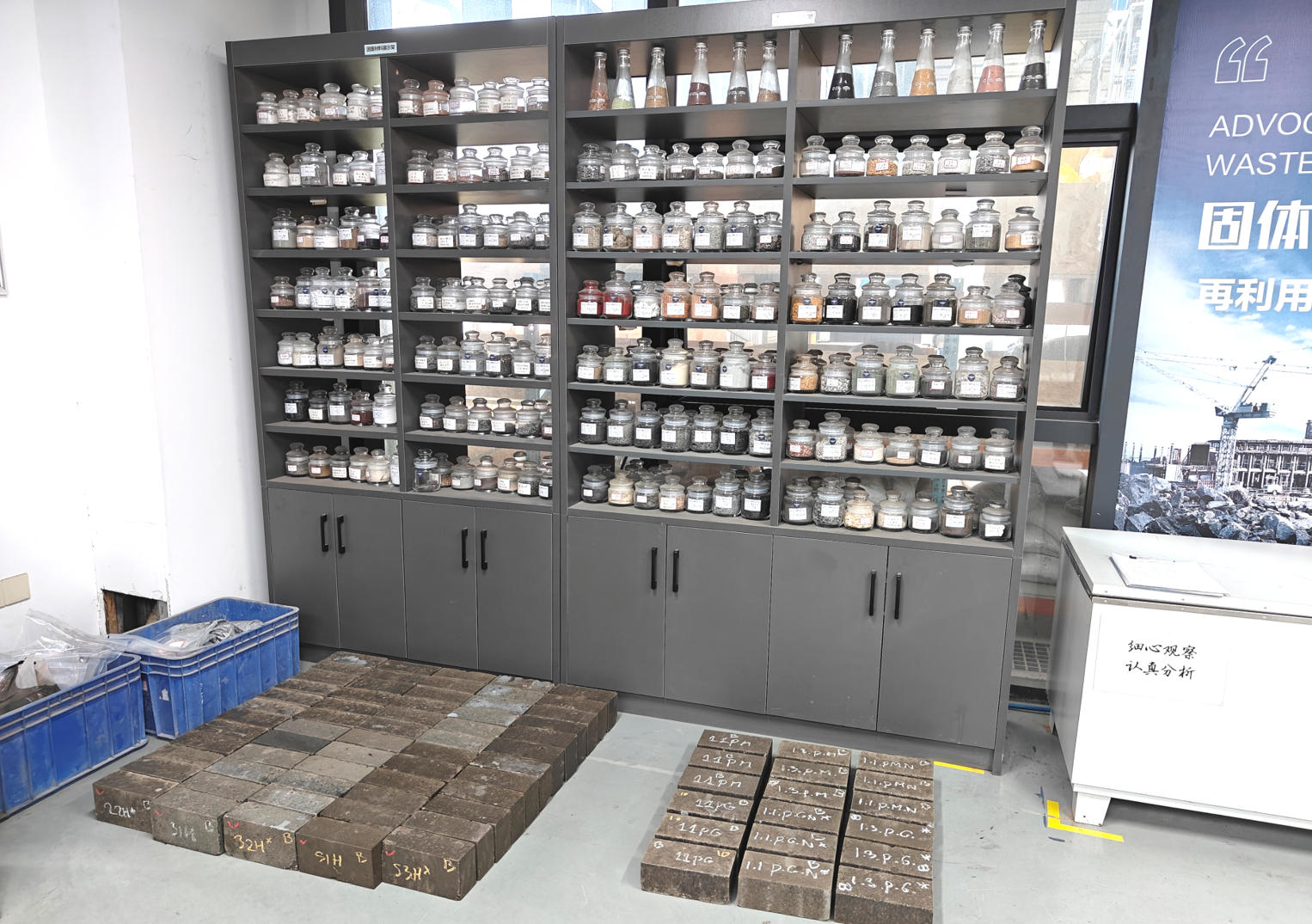
Quanzhou Gong Machinery Co., Ltd. continues to deeply cultivate the field of solid waste resource utilization and constantly explores green building material equipment and process innovation. Recently, Quanzhou Gong's brick-making laboratory has achieved phased results in the research of solid waste brick-making technology. It has successfully completed the standard brick preparation experiment using three types of solid waste—incineration ash, phosphorus slag, and coal gangue—as the main raw materials, providing a feasible path for the high-value utilization of multi-source solid waste.
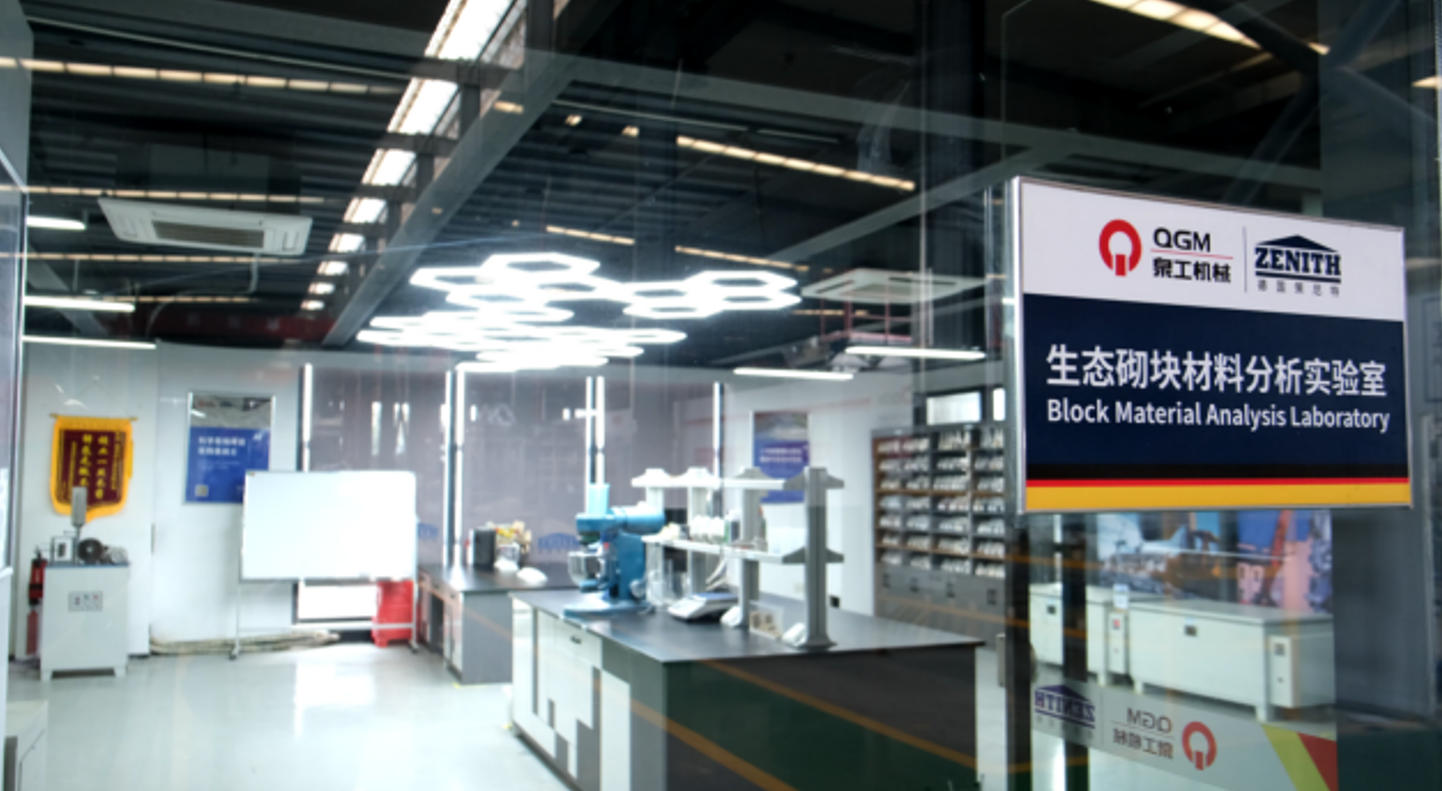
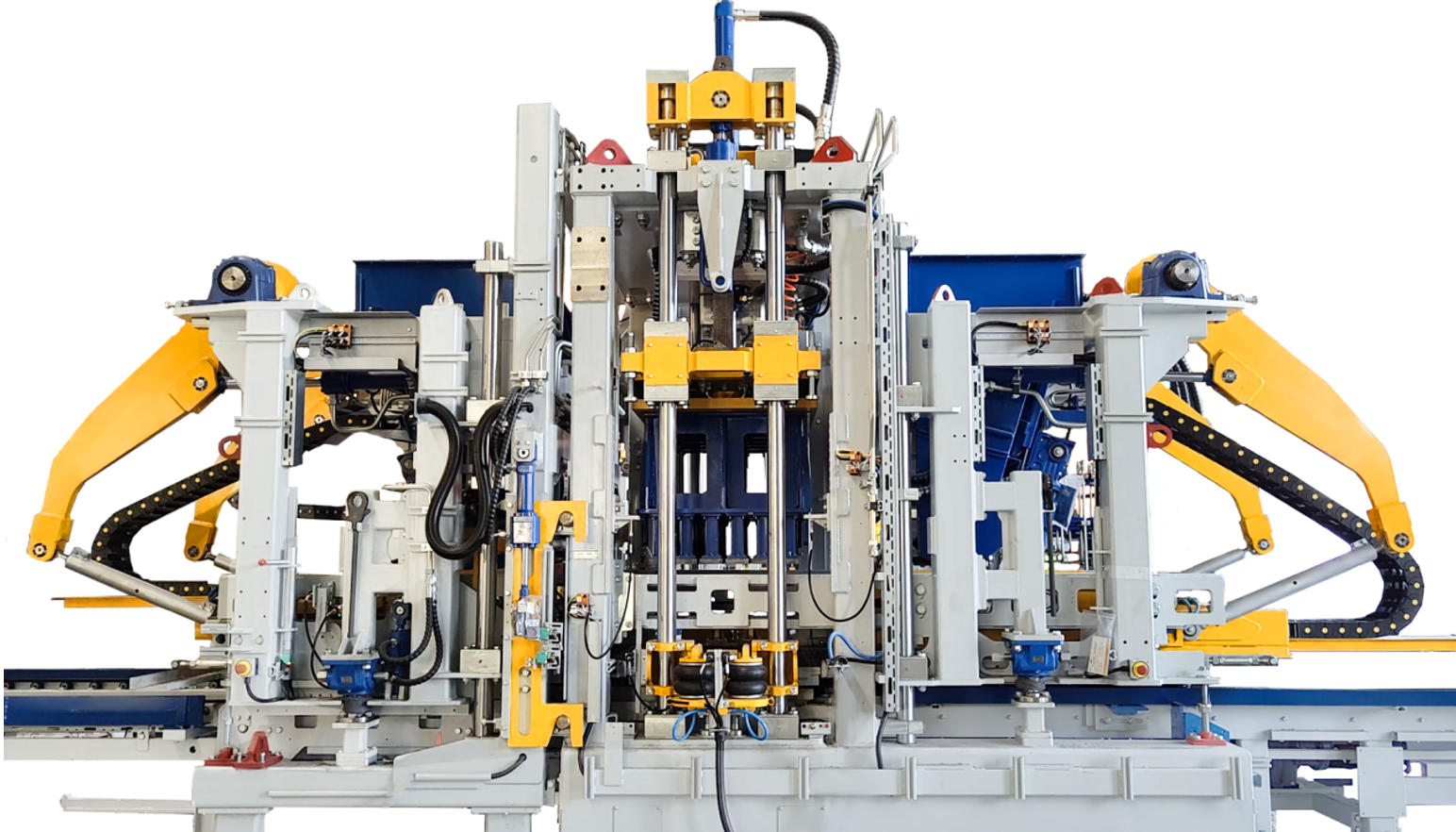
Incineration ash, phosphorus slag, and coal gangue are widely sourced and have complex compositions, facing significant challenges in their treatment and disposal for a long time. Quanzhou Gong brick-making laboratory, relying on comprehensive testing facilities and a professional technical team, conducted component analysis and proportion optimization of these three solid wastes. Combining the physical properties and chemical reactivity of different materials, it developed targeted brick-making process solutions. During the experiments, the laboratory used mature and reliable brick-making equipment for molding tests. Through multiple rounds of parameter adjustments and process verification, it successfully produced standard non-fired bricks that met the requirements for strength, size, and appearance.
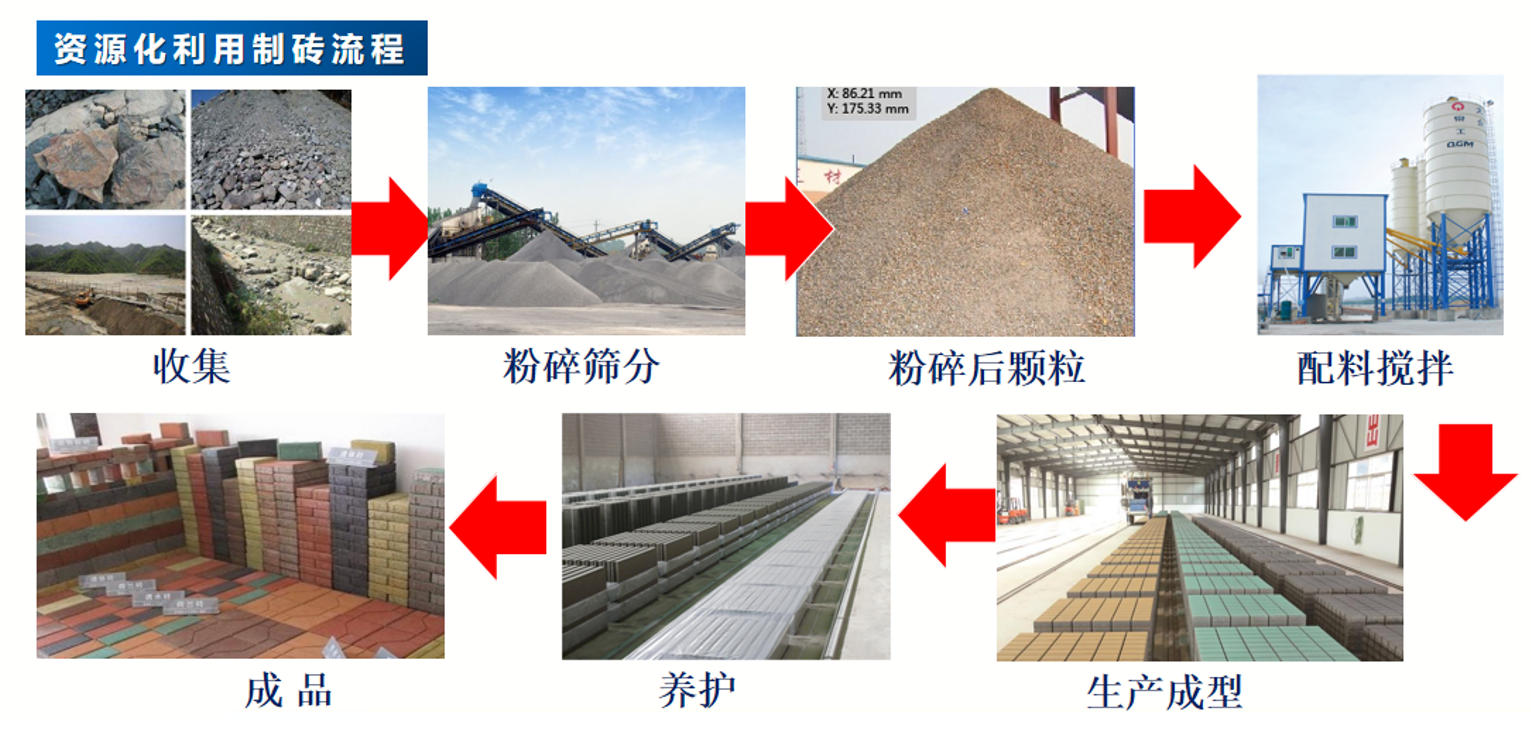
This experimental result not only verifies the feasibility of co-processing bricks from multiple solid wastes, but also further demonstrates the technological advantages of non-fired brick machines in the resource utilization of solid waste. Through the non-fired molding process, solid waste can be transformed into stable block products without high-temperature calcination, effectively reducing energy consumption and carbon emissions, aligning with the current trend of green building materials development under the "dual carbon" background. This technological breakthrough marks a solid step forward for Quanzhou Machinery in the field of co-processing and high-value utilization of complex multi-source solid waste, providing a more universal and economical innovative solution for the construction of "zero-waste cities."
Send Inquiry



X
We use cookies to offer you a better browsing experience, analyze site traffic and personalize content. By using this site, you agree to our use of cookies.
Privacy Policy