

- English
 Esperanto
 Afrikaans
 Català
 שפה עברית
 Cymraeg
 Galego
 Latviešu
 icelandic
 ייִדיש
 беларускі
 Hrvatski
 Kreyòl ayisyen
 Shqiptar
 Malti
Malti lugha ya Kiswahili
 አማርኛ
አማርኛ Bosanski
 Frysk
Frysk ភាសាខ្មែរ
 ქართული
 ગુજરાતી
 Hausa
Hausa Кыргыз тили
 ಕನ್ನಡ
ಕನ್ನಡ Corsa
Corsa Kurdî
Kurdî മലയാളം
 Maori
Maori Монгол хэл
 Hmong
Hmong IsiXhosa
 Zulu
Zulu Punjabi
 پښتو
پښتو Chichewa
 Samoa
Samoa Sesotho
 සිංහල
සිංහල Gàidhlig
 Cebuano
 Somali
 Тоҷикӣ
 O'zbek
 Hawaiian
 سنڌي
سنڌي Shinra
 Հայերեն
 Igbo
Igbo Sundanese
 Lëtzebuergesch
 Malagasy
 Yoruba
 অসমীয়া
 ଓଡିଆ
ଓଡିଆ Español
 Português
 русский
 Français
 日本語
日本語 Deutsch
 tiếng Việt
 Italiano
 Nederlands
 ภาษาไทย
 Polski
 한국어
한국어 Svenska
 magyar
 Malay
Malay বাংলা ভাষার
 Dansk
Dansk Suomi
Suomi हिन्दी
 Pilipino
 Türkçe
 Gaeilge
 العربية
 Indonesia
 Norsk
Norsk تمل
تمل český
český ελληνικά
 український
 Javanese
 فارسی
فارسی தமிழ்
தமிழ் తెలుగు
 नेपाली
 Burmese
 български
 ລາວ
ລາວ Latine
 Қазақша
 Euskal
 Azərbaycan
 Slovenský jazyk
 Македонски
 Lietuvos
 Eesti Keel
 Română
 Slovenski
 मराठी
मराठी Srpski језик

What is an automatic production line?
Automatic production line refers to a production organization form that realizes the product process process by the automation machine system. It is formed on the basis of further development of the continuous assembly line. An automatic production line is a sophisticated manufacturing system that integrates various tools, machines, technologies, and equipment to automate a sequence of manufacturing tasks with as little human intervention as possible.
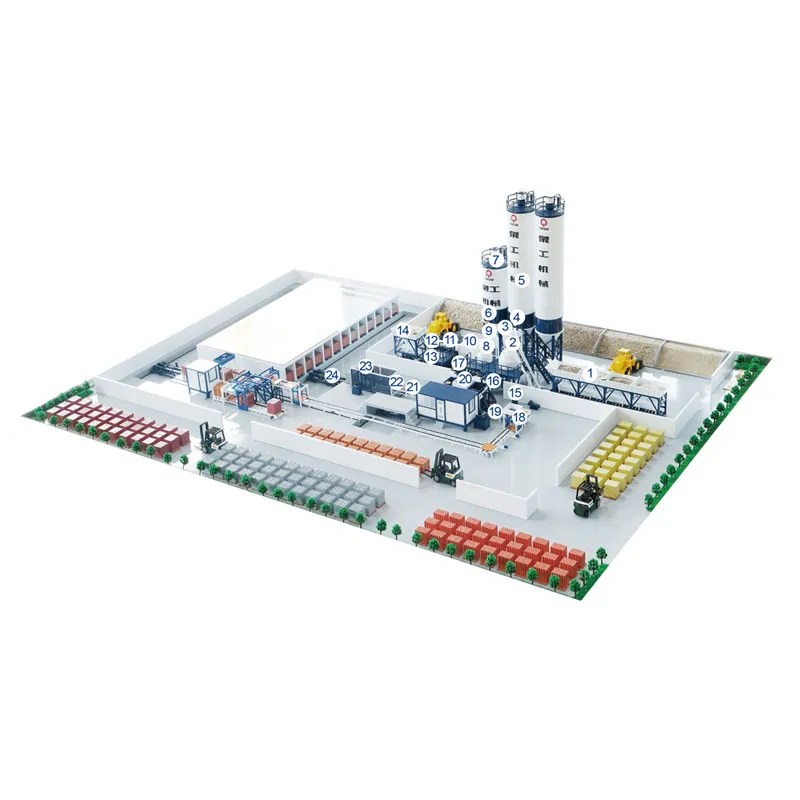
It is characterized by: processing objects automatically transmitted from one machine to another machine tool, and automatically processed, loaded and unload, and inspect the machine tools. The task of workers is to adjust, supervise and manage automatic lines, and do not participate in direct operation; The machine and equipment are running according to a unified beat, and the production process is highly continuous.
With advancements in technology, today, we can use automatic production lines to produce a wide variety of products: vehicles, electronics, or even food.
Here are some of the key features of an automatic production line:
Automation: minimizing or even eliminating human intervention to lower labor costs, minimize human errors, and allow our valuable human resources to perform more fruitful tasks.
Efficiency: automatic production lines use fewer materials and consume less energy than traditional manufacturing methods. This can translate into reduced costs and increased profits for manufacturers.
Flexibility: when designed properly, automatic production lines can be easily modified to produce a variety of products because the machines (and even robots) used in the system are not limited to a single task.
Consistency: automatic production lines minimize and even eliminate human errors and inconsistencies, allowing them to produce products with consistent quality.
Safety: by minimizing human intervention, automatic production lines can reduce the risk of accidents caused by human errors, improving workplace safety.
Send Inquiry



X
We use cookies to offer you a better browsing experience, analyze site traffic and personalize content. By using this site, you agree to our use of cookies.
Privacy Policy